Lemon plant care in pots and ground
A lemon plant needs a full-sun spot, fast-draining soil, watering only when the top few centimetres of soil are dry, and planting in the February or September window — and it can do well in a large pot or in the ground.
لیموں کا پودا دھوپ، اچھی نکاسی اور مٹی دیکھ کر پانی دینے سے گملے اور زمین دونوں میں اچھا بڑھتا ہے۔
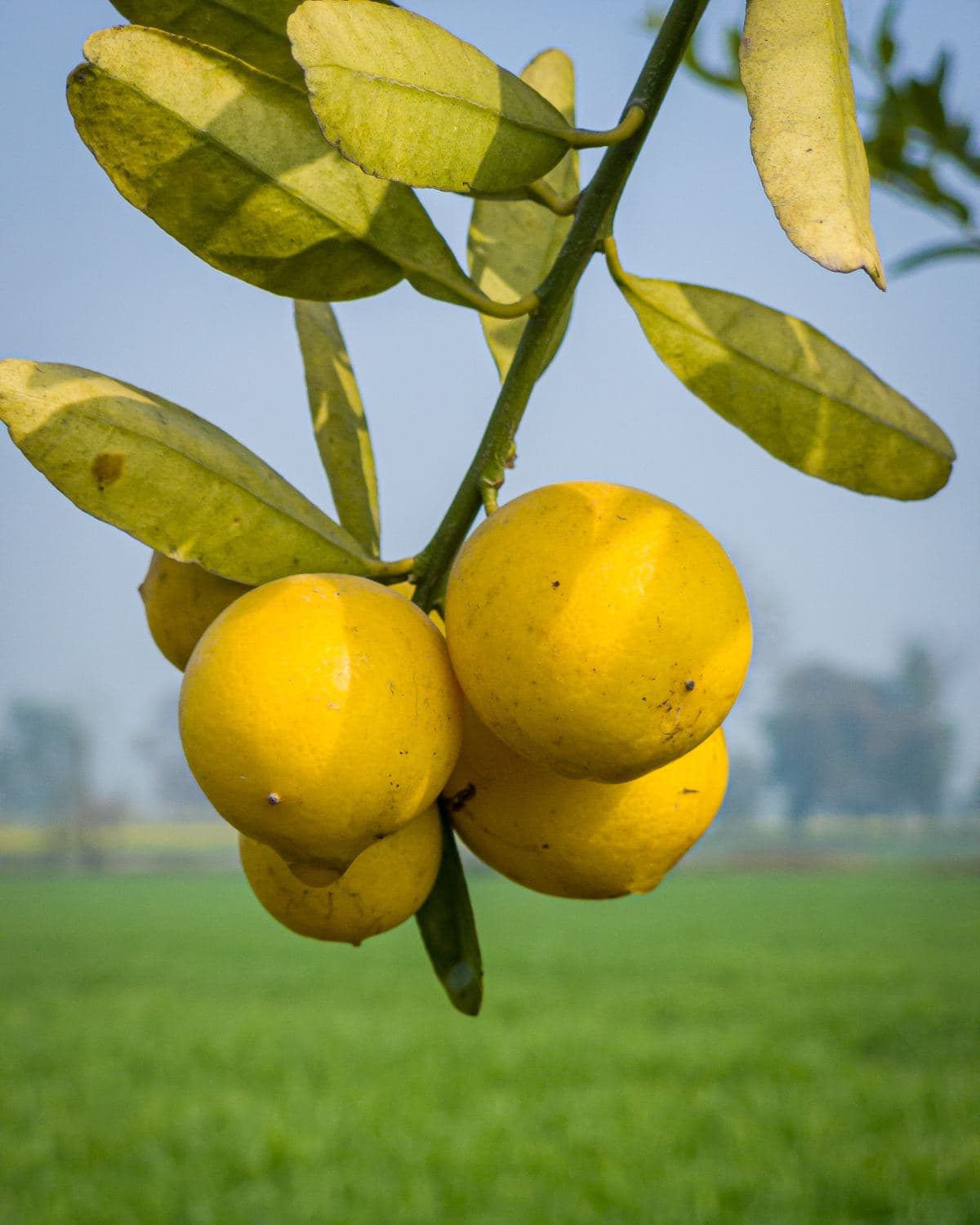
A lemon plant is one of the most useful things you can grow at a Pakistani home, and it is manageable in both a large pot and open ground. The essentials are simple: as much direct sun as you can give it, soil that drains freely, watering by soil check rather than routine, and planting in the February or September window listed in Punjab's Horticultural Research Institute schedule.
Start with the right plant
Ask the nursery what you are actually buying: the variety, whether it is grafted or a seedling, and the rootstock if known. A grafted plant of a named variety usually begins bearing earlier and behaves predictably; a seedling is cheaper but slower and variable. This one question at purchase time matters more than most care decisions afterwards.
Sun and placement
Lemon wants sun — ideally six or more hours of direct light. A south- or west-facing courtyard corner or an open rooftop suits it. In Faisalabad's extreme June heat, a young potted lemon appreciates some relief from the harshest afternoon sun, but a permanently shaded lemon will sulk, grow leggy and flower poorly.
Growing in a pot
- Start with a pot of roughly 40–50 cm diameter with large drainage holes; move up gradually as the plant grows.
- Use a free-draining mix — garden soil alone compacts in a pot and suffocates citrus roots.
- Raise the pot slightly off hot concrete and never let it stand in a water-filled saucer.
- Expect a potted lemon to need more frequent watering checks and lighter, more regular feeding than one in the ground.
Growing in the ground
Choose a spot with sun and good drainage, away from walls that block light. Prepare the pit in advance, plant at the same depth as the nursery bag, and keep the graft union clearly above soil level. Give it real space — a happy lemon becomes a substantial small tree.
Watering: always a soil check
Citrus hates both drought stress and wet feet. Push a finger a few centimetres into the soil: water deeply when it is dry at that depth, and wait when it is moist. In summer a rooftop pot may need this check daily; in winter the same plant may want water only every week or two. Yellowing leaves on a constantly wet plant usually mean too much water, not too little.
Feeding
Feed modestly during the active growing seasons (spring and early autumn) with a balanced fertiliser or well-rotted organic manure, and stop in the peak of summer heat and in winter. Overfeeding a stressed or newly planted lemon burns roots. If leaves show persistent yellowing between green veins, ask us or a local agriculture office before pouring on more fertiliser — water quality and soil pH in this region can lock up nutrients.
Winter care
Faisalabad winters are mostly mild but nights can drop near freezing. Young lemon plants are the most vulnerable: move pots against a warm wall or under a veranda on the coldest nights, and cover young in-ground plants with cloth or straw during frost warnings. Reduce watering sharply in winter — cold wet soil is a bigger killer than the cold itself.
When to plant
Plant or repot in February or September, per Punjab's Horticultural Research Institute schedule, so the plant establishes in moderate weather. Fruiting depends on variety, age, sun, feeding and season — a healthy grafted plant typically needs a couple of settled years before a worthwhile crop, and no nursery can honestly guarantee a harvest.
When you order a lemon plant from us on WhatsApp, we confirm the variety, graft status, current height and pot size before anything is finalised, and we can advise whether your spot suits a pot or ground planting.
Browse: Fruit Plants